
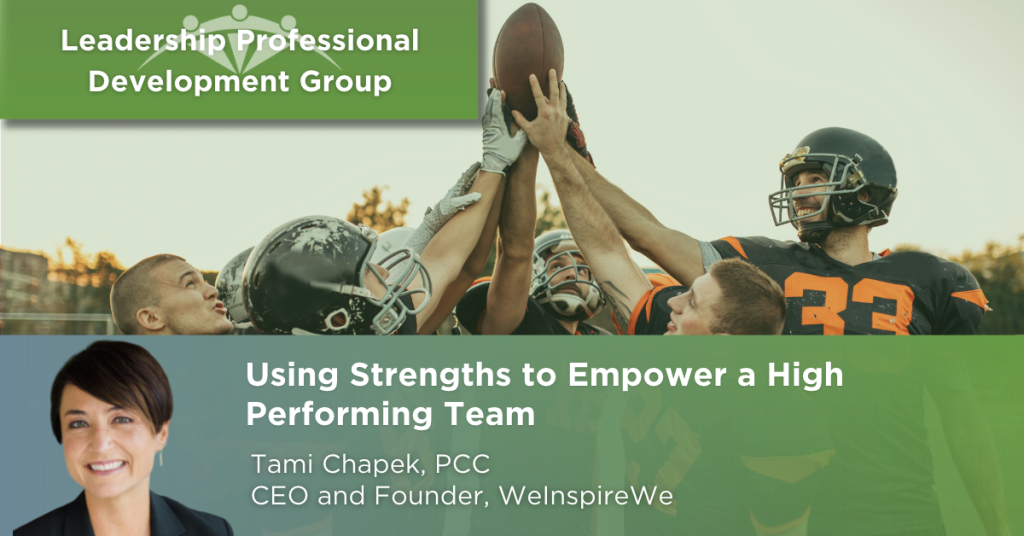
Build a stronger team by seeing people’s strengths, connecting their contributions, and appreciating what helps everyone grow.
Imagine your football team is down by two points. There are three seconds left, and a field goal could win the game. The long snapper is ready. The holder is in position. The kicker is lining up. Then the coach decides to switch the kicker and the long snapper. You’d probably have a few questions. Starting with, “Why would you do that?”
Each player brings a skill the team needs. The snapper delivers the ball. The holder gets it into position. The kicker takes the shot. Each person’s contribution gives the next person a chance to succeed.
Now think about your own team. How often do we put someone in a position because they’ve been around the longest, because they’re available, or because “that’s what they’ve always done”?
In a family business, we may have known someone their entire life. We remember who they were growing up, what they struggled with, or the role they first stepped into. It takes intention to see who they’ve become and what they’re capable of today.
And that’s where building a stronger team begins. Get curious about what each person brings. Think about someone on your team who consistently makes a difference. What do they actually do? Maybe they can look at a spreadsheet and quickly spot the pattern everyone else missed. Maybe they explain a complicated process so clearly that a new employee feels ready to try it. Or maybe they notice tension in a meeting and ask the question that gets people talking honestly.
Those are all strengths. Some are technical. Others shape how people communicate, collaborate, and move work forward.
“Great with people” gives us a starting point. “She helped two frustrated departments agree on a next step” gives us something we can put to work again.
We can learn even more by asking what matters to that person. What work makes them proud? What do they find meaningful? Someone who’s skilled at solving customer problems may care deeply about keeping promises. Someone who patiently teaches a new colleague may find real satisfaction in helping others grow.
Understanding what people do well and what matters to them helps us see opportunities we might otherwise miss. Then we must look at how those contributions fit together.
Take a team that keeps missing customer delivery dates. One person may be excellent at understanding production capacity. Another may be skilled at helping sales and operations work through competing priorities. Bring those strengths together, give them a clear outcome and room to act, and you have an opportunity to improve how the whole team makes commitments.
It’s worth asking, “What does this challenge need from us, and who has already shown us they can contribute?” That question may lead you to someone you don’t usually call on. It may also help you see a combination of people who could accomplish more together.
Of course, recognizing someone’s strength is only the beginning. We also need to give them the opportunity to use it. That means talking about what interests them, clarifying what they can decide, and making room in their workload. Otherwise, “You’re so good at this” can quickly turn into another assignment added to an already full plate.
And when their contribution makes a difference, tell them. Specifically.
Think back to that field goal. The kicker will likely get plenty of attention. Who thanks the person who delivered the snap exactly where it needed to be?
Every team has people whose work makes someone else’s success possible. The employee who catches an error early. The colleague who prepares someone for a difficult conversation. The person who quietly makes sure everyone has the information they need.
A simple “thank you” becomes more meaningful when we include the why.
“When you caught that discrepancy before we sent the proposal, you gave us time to correct it and helped us keep the client’s trust. I appreciate how carefully you looked at it.”
Now the person knows you saw their contribution. They also understand its impact. And gratitude has a place when things get difficult, too.
Think about an order that ships late because the customer was given a date production hadn’t confirmed. That experience needs an honest conversation. It can also give us something valuable to learn from.
A leader might say, “You saw where that handoff broke down, and now you’re confirming dates with production before sharing them with customers. I’m grateful you used that experience to help us build a better process.” That acknowledgment gives someone a reason to feel proud of how they responded and grew.
As leaders, we have an opportunity to notice what’s working, help people use their strengths more intentionally, and appreciate the lessons that make us better.
Start with one person this week. Ask what they enjoy doing and where they’d like to contribute more. Look at one team challenge and consider whose strengths could help. Then thank someone for a contribution you may have come to take for granted.
Who on your team is ready for an opportunity you haven’t seen yet?
If you’re ready to explore how to help your people bring more of their strengths to work, schedule a strategy session with WeInspireWe. Let’s talk about what your team could make possible together.
Tami Chapek, PCC
CEO and Founder | Executive Leadership Coach
WeInspireWe

If you are interested in topics that address leadership roles in your family-owned business, please join us at our Leadership Development monthly sessions that Tami facilitates. Contact Lorna at lflint@familybusinesscenter.com if you have any questions about this group.